
 Introduction:
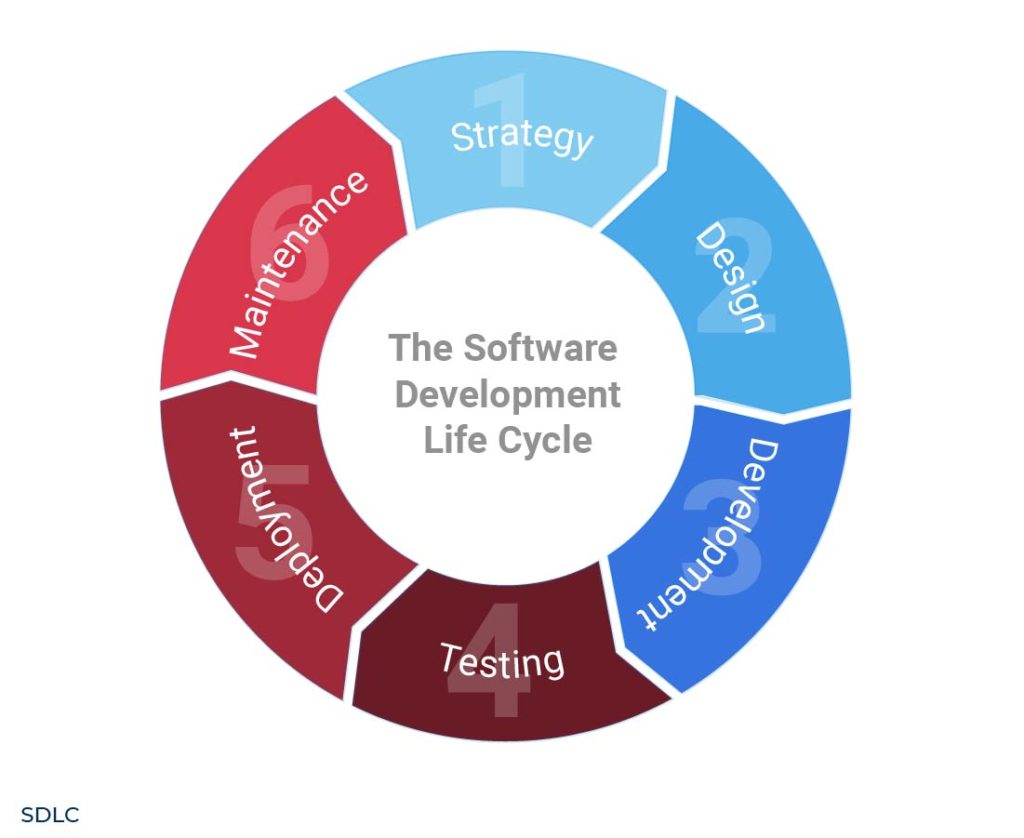
The game development life cycle refers to the process of creating a video game from start to finish. While different game development studios may have their own unique approaches, the typical game development life cycle includes the following stages:
Concept: In this stage, the game idea is developed and refined. This could involve brainstorming, market research, and developing a game design document that outlines the core mechanics, art style, and overall vision for the game.
Pre-production: During this stage, the game design is fleshed out in more detail. The team may work on creating concept art, storyboards, and prototypes to help solidify the gameplay and mechanics.
Production: This is the main development phase, where the game is built and all the assets are created. The team will typically include programmers, artists, designers, and writers, all working together to create the game. This is often the longest stage of the game development life cycle.
Testing: Once the game is mostly complete, it is tested extensively to identify and fix bugs and balance gameplay. This could involve in-house testing or beta testing with external players.
Launch: This is the stage where the game is released to the public. This could include marketing, promotion, and distribution efforts to get the game in front of players.
Post-launch: After the game is released, the team may continue to work on patches, updates, and additional content to keep the game fresh and engaging for players.
These stages are not always linear, and some stages may overlap or happen in a different order depending on the game and development team. However, this general game development life cycle provides a framework for creating a successful video game.
Planning:
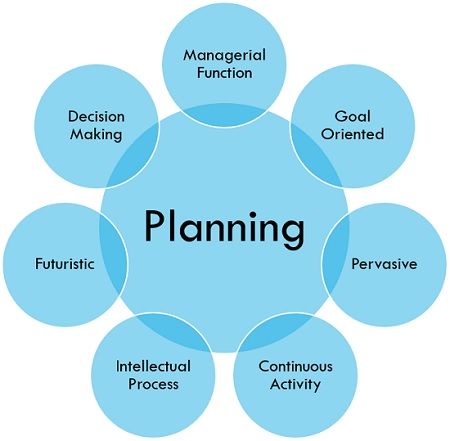
Planning is a crucial stage in the development of any project, including game development. It involves the process of defining the project scope, establishing goals and objectives, and creating a roadmap for how the project will be executed. The planning stage helps to ensure that the development team is aligned on the project vision, and provides a clear direction for the development process.
In game development, planning typically involves the following activities:
Conceptualization: This involves brainstorming ideas and developing a game concept. This could involve identifying the target audience, analyzing the competition, and defining the game's unique selling point.
Project Scope Definition: This involves defining the scope of the project, including the game's features, mechanics, and art style. It also involves identifying any technical limitations that could impact the game's development.
Resource Allocation: This involves determining the resources required for the project, such as the development team, budget, and technology.
Project Schedule: This involves creating a timeline for the project, identifying milestones and deadlines, and breaking down the development process into smaller tasks.
Risk management entails identifying potential risks and coming up with mitigation methods. This could include technical risks, such as bugs and glitches, or market risks, such as changes in player preferences.
Communication Plan: This involves establishing communication channels and protocols for the development team, including regular meetings, progress updates, and issue tracking.
By thoroughly planning the game development process, the development team can ensure that the project stays on track, is completed on time and on budget, and meets the expectations of the target audience.

Game Design:
Game design is the process of creating the overall concept, gameplay, mechanics, and aesthetics of a video game. It involves a wide range of disciplines, including art, programming, music, writing, and game theory. The game design process typically involves the following stages:
Conceptualization: The game design team generates ideas and concepts for the game, defining the game's theme, setting, story, characters, and gameplay mechanics.
Prototyping: The game design team creates a working prototype of the game, testing and refining the game mechanics and ensuring that the game is fun and engaging.
Game Mechanics Design: The game design team develops the rules and mechanics of the game, defining the goals, challenges, and rewards of the game.
Level Design: The game design team creates the levels, maps, and environments of the game, designing the layout, enemies, puzzles, and other obstacles.
Story and Dialogue: The game design team develops the game's narrative, creating the story, characters, and dialogue that immerse the player in the game's world.
Art and Sound Design: The game design team creates the visual and audio elements of the game, designing the characters, environments, music, sound effects, and user interface.
User Experience Design: The game design team focuses on designing the user interface and overall experience of the game, ensuring that it is intuitive, easy to navigate, and enjoyable to play.
Playtesting: The game design team tests the game extensively, gathering feedback from testers and making adjustments to improve the gameplay, mechanics, and overall experience of the game.
Game design is a collaborative process that involves the entire development team, including artists, programmers, musicians, and writers. The game design team must balance creativity with technical feasibility, ensuring that the game is both fun and technically sound. By carefully designing the gameplay, mechanics, story, and aesthetics of the game, the game design team can create a memorable and engaging gaming experience for the players.
Testing:
Testing is a critical phase in game development, which takes place towards the end of the production phase. During testing, the game is put through extensive quality assurance processes, to identify and resolve any issues or bugs that could impact gameplay.
The testing phase typically involves the following activities:
Functional Testing: This involves testing the game's features and mechanics to ensure that they work as intended. Testers will play the game, looking for any bugs or glitches, and will report any issues to the development team.
User Experience Testing: User experience testing involves testing the game from the player's perspective. Testers will evaluate the game's usability, the ease of navigating menus, and the overall playability.
Compatibility Testing: Compatibility testing involves testing the game on different devices, platforms, and operating systems. The development team will ensure that the game runs smoothly and efficiently on a range of devices, and that it meets technical requirements.
Performance Testing: Performance testing involves testing the game's performance, such as its frame rate, loading times, and memory usage. The development team will optimize the game's performance to ensure that it runs smoothly and efficiently.
Localization Testing: Localization testing involves testing the game's translation into different languages and cultures. The development team will ensure that the game is culturally appropriate and that the language translations are accurate.
Compliance Testing: Compliance testing involves testing the game to ensure that it meets legal and regulatory requirements, such as age ratings and accessibility standards.
By thoroughly testing the game, the development team can ensure that it is free of bugs, glitches, and other issues that could impact gameplay. This helps to ensure that the game is fun, playable, and meets the expectations of the target audience.

Development:
Game development is the process of creating a video game, from concept to release. It involves a wide range of disciplines, including programming, art, sound design, and quality assurance. The game development process typically involves the following stages:
Pre-production: The development team establishes the game's concept, design, and requirements. This includes developing the game's storyline, mechanics, and art direction.
Production: The development team creates the game's assets, including character models, environments, animations, and sound effects. They also code the game mechanics, user interface, and game logic.
Testing: The game is rigorously tested to ensure that it is stable, bug-free, and fun to play. Quality assurance testers identify any issues that need to be fixed.
Launch: The game is released to the public, usually on a digital distribution platform like Steam, the App Store, or Google Play.
Post-launch: The development team provides ongoing support for the game, including bug fixes, updates, and additional content.
Game development can take anywhere from a few months to several years, depending on the complexity and scope of the project. It requires a high degree of collaboration and communication between team members, as well as a deep understanding of game design, programming, and art. The goal of game development is to create a fun and engaging experience that players will enjoy and return to again and again.
Deployment:
Deployment is the process of making a video game available for distribution and access by players. This process involves preparing the game for release on various platforms and ensuring that it is accessible to players through appropriate channels. The deployment process typically involves the following stages:
Platform optimization: The game is optimized for the platforms it will be released on, such as desktop, mobile, console, or web. This includes ensuring that the game meets the technical requirements of each platform and that it runs smoothly on different devices.
Release planning: The deployment team plans the release of the game, including selecting the distribution channels and setting the release date. This involves working with the marketing team to create a launch strategy that will generate buzz and attract players.
Distribution: The game is distributed through various channels, such as online marketplaces, game portals, or physical copies. The deployment team ensures that the game is available on the right platforms and in the right regions.
Launch monitoring: The deployment team monitors the launch of the game, tracking its performance and addressing any issues that arise. This includes monitoring player feedback, fixing bugs, and updating the game as needed.
Support: The deployment team provides ongoing support to players, including troubleshooting issues, providing updates, and addressing player feedback.
The deployment process is critical for the success of a video game, as it ensures that the game is available to players on the right platforms and in the right regions. By carefully planning the release and monitoring the game's performance, the deployment team can ensure that the game is accessible and enjoyable to players, leading to a successful launch and long-term success for the game.

Maintenance:
Maintenance is the ongoing process of keeping a video game functioning properly after it has been released. This includes addressing bugs, adding new features, and ensuring that the game remains compatible with new hardware and software updates. The maintenance process typically involves the following stages:
Bug fixing: The maintenance team identifies and fixes any bugs or glitches that are reported by players or identified during testing.
Updates: The maintenance team releases updates to the game that add new features, balance gameplay, or address technical issues.
Compatibility: The maintenance team ensures that the game remains compatible with new hardware and software updates, such as new versions of operating systems or graphics drivers.
Community management: The maintenance team engages with the game's community of players, responding to feedback, providing support, and promoting player engagement.
Server maintenance: For games that require online play, the maintenance team is responsible for maintaining the servers that support multiplayer gameplay.
Data analysis: The maintenance team analyzes player data to understand how the game is being played, identify areas for improvement, and make informed decisions about future updates.
The maintenance process is critical for the long-term success of a video game. By addressing bugs, adding new features, and engaging with the player community, the maintenance team can keep the game fresh and engaging for players, leading to increased player retention and revenue.














.jpg)


